 +
+ Product Information
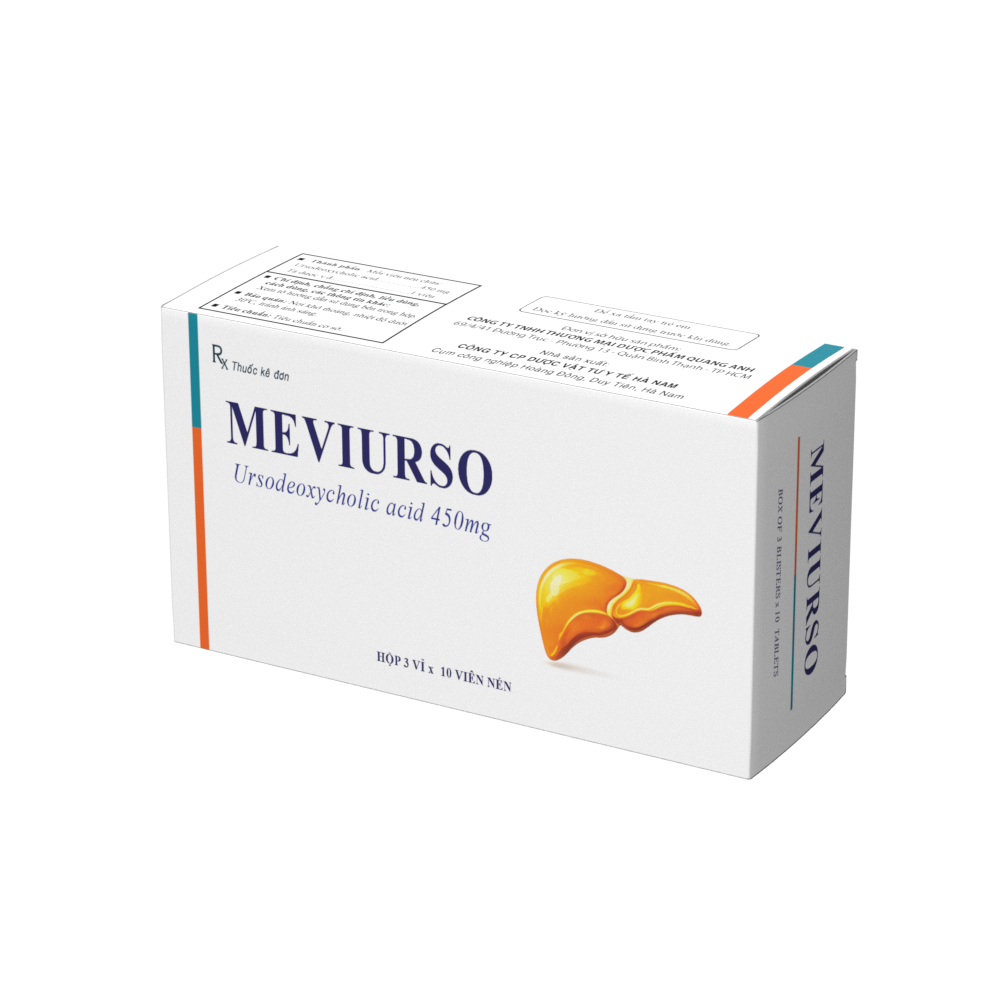
Indications
- Dissolution of cholesterol-rich gallstones.
- Primary biliary cirrhosis.
- Hepatobiliary disorders associated with cystic fibrosis in children aged 6–18 years.
- Gastroesophageal reflux disease (GERD).
Dosage and Administration
Gallstones
- For dissolution of gallstones: 8–12 mg/kg/day, taken daily, either as a single dose at bedtime or divided into two doses, for up to 2 years (continue treatment for 3–4 months after stone dissolution).
- Doses do not need to be evenly divided; higher doses should preferably be taken in the evening before bedtime due to increased nighttime gallbladder cholesterol saturation.
- Obese patients may require up to 15 mg/kg/day.
- A dose of 300 mg twice daily may be used prophylactically in patients undergoing rapid weight loss.
Primary biliary cirrhosis
- 12–16 mg/kg/day, divided into 3 doses for the first 3 months, followed by 12–16 mg/kg/day as a single dose at bedtime.
Hepatobiliary disorders associated with cystic fibrosis (children 6–18 years)
- 20 mg/kg/day in 2–3 divided doses; may be increased to 30 mg/kg/day if necessary.
Gastroesophageal reflux disease (GERD)
- Adults: 250 mg once daily for 10–14 days, taken before bedtime. (Note: “247 kg” in original appears to be a typo.)
Monitoring of Treatment
- Liver function tests (GGT, alkaline phosphatase, AST, ALT, bilirubin) should be monitored monthly for the first 3 months after initiation, then every 6 months thereafter.
- Improvement in liver enzyme levels and clinical symptoms indicates treatment efficacy.
Contraindications
- Hypersensitivity to the drug.
- Patients with calcified cholesterol stones, radiopaque stones on X-ray, non-functioning gallbladder, acute cholecystitis, frequent biliary colic, or inflammatory/other disorders of the small intestine, colon, or liver affecting enterohepatic circulation of bile salts.
Warnings and Precautions
- Avoid use in patients with chronic liver disease (except primary biliary cirrhosis).
- Avoid high-calorie or high-cholesterol diets; a low-cholesterol diet may improve treatment efficacy.
- Patients with rare hereditary problems of galactose intolerance, lactase deficiency, or glucose-galactose malabsorption should not use this medicine.
Adverse Effects
Common:
- Skin: rash; severe allergic reactions may occur.
- Gastrointestinal: constipation, diarrhea, abdominal pain, nausea, vomiting.
- Musculoskeletal: back pain.
- Nervous system: dizziness.
- Respiratory: bronchitis, cough, pharyngitis, upper respiratory tract infections.
Management of Adverse Drug Reactions (ADR)
- Discontinue treatment if the gallbladder is not visualized on X-ray/ultrasound, or if gallstones become calcified, gallbladder contractility decreases, or biliary colic occurs.
- If diarrhea occurs, reduce the dose and treat symptomatically. Discontinue treatment if diarrhea persists.
Drug Interactions
- Bile acid-binding resins (e.g., cholestyramine, colestipol) and certain antacids (e.g., aluminum hydroxide) may reduce absorption and efficacy; administer at least 2 hours apart.
- Activated charcoal may reduce absorption of ursodeoxycholic acid (UDCA).
- UDCA may increase absorption and plasma levels of ciclosporin; dose adjustment may be required.
- May reduce absorption of ciprofloxacin in some cases.
- Reduces Cmax and AUC of calcium channel blockers such as nitrendipine.
- Reduced efficacy of dapsone has been reported.
- In vitro studies suggest possible induction of cytochrome P450 CYP3A enzymes.
- Estrogens, oral contraceptives, and certain cholesterol-lowering agents should not be used concomitantly.
Use in Pregnancy and Lactation
Pregnancy:
- No adequate safety data available; use should be avoided if possible. Drugs that increase biliary cholesterol excretion are generally not recommended during pregnancy.
Lactation:
- Insufficient data on safety in neonates and infants; use only after careful benefit-risk assessment.
Overdose
- Symptoms: diarrhea.
- Management: symptomatic treatment and restoration of fluid and electrolyte balance.
Pharmacology
Mechanism of action
- Ursodeoxycholic acid inhibits hepatic cholesterol synthesis and secretion and reduces intestinal cholesterol absorption.
Pharmacodynamics
- A naturally occurring bile acid present in small amounts in human bile; reduces hepatic cholesterol production and intestinal absorption, facilitating dissolution of cholesterol-rich gallstones.
Pharmacokinetics
- Absorbed via the gastrointestinal tract, excreted in bile, and undergoes enterohepatic circulation.
- Partially conjugated in the liver before biliary excretion.
- Intestinal bacteria convert part of the drug to lithocholic acid, which is excreted in feces.
- Approximately 70% protein binding; very small volume of distribution.